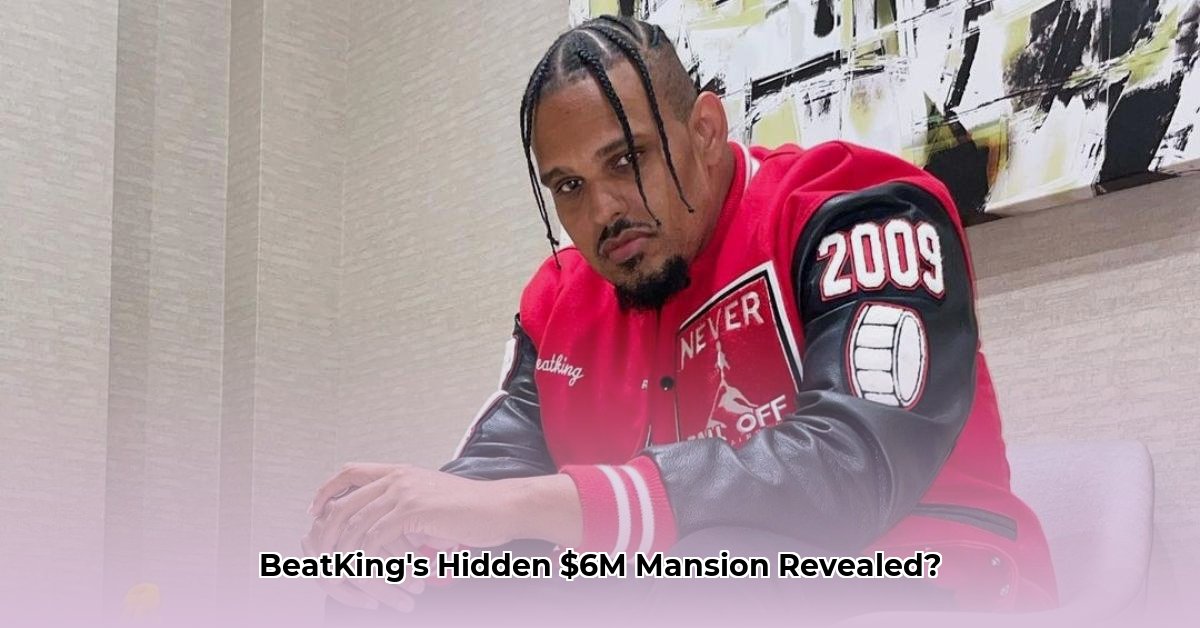
BeatKing's Financial Success: A Houston Hip-Hop Legacy
BeatKing, whose real name was Justin Riley, tragically passed away in August 2024. His impact on the Houston hip-hop scene, however, remains undeniable. While his absence is deeply felt, many are curious about the financial success he achieved during his prolific career. Estimates place his net worth between $5 and $6 million, a testament to his talent and business acumen. This article explores how BeatKing built his wealth, examining his career, income sources, and the complexities of evaluating a deceased artist's estate.
BeatKing's Career Highlights and Financial Milestones
BeatKing's rise to prominence wasn't a matter of chance. He expertly blended crunk and modern rap, crafting a unique sound that resonated with a large audience. Mixtapes like "Club God" became instant classics, solidifying his place within the hip-hop community. High-energy performances and collaborations further amplified his reach and influence. How did this translate to financial success? Let's analyze the key elements.
Net Worth Estimation: Challenges and Uncertainties
Estimating BeatKing's net worth at the time of his death presents inherent challenges. The $5-6 million range cited represents educated estimations, not precise figures. The complexities of privately held assets and post-mortem financial evaluations introduce considerable uncertainty. However, these estimates strongly suggest substantial financial success during his career. The lack of complete public financial records contributes to this uncertainty.
BeatKing's Diverse Revenue Streams
Several income sources fueled BeatKing's wealth. His record deal with Columbia Records, reportedly worth approximately $3 million, served as a major financial catalyst. Additionally, lucrative publishing deals solidified ongoing revenue streams from his musical works. Successful concert tours, merchandise sales, and likely other business ventures further contributed to his substantial net worth. These diverse income streams underscore his strategic approach to financial growth within the music industry.
Brand Building and Business Acumen: Beyond the Music
BeatKing's success wasn't solely reliant on musical talent; he demonstrated a keen understanding of brand building and financial management. His effective use of social media fostered a strong connection with fans, a critical asset for long-term success. While precise details about his financial strategies remain private, his lifestyle suggests astute financial decision-making. Acquiring assets, such as real estate and luxury vehicles, points to a significant level of financial prudence.
BeatKing's Legacy: Navigating the Post-Mortem Financial Landscape
BeatKing's passing introduces uncertainties regarding the management of his estate and the future of his brand. His music will continue generating income, furthering his lasting legacy. However, the long-term impact on his overall financial standing is yet to fully unfold. This situation illustrates the intricate financial dynamics shaping the careers of artists in the music industry.
Managing a Deceased Artist's Estate: Key Considerations
Managing a deceased artist's estate requires a multi-faceted approach. This involves meticulous attention to legal and financial aspects, ensuring that the artist's legacy is preserved and their financial affairs are managed responsibly.
Key Steps:
Legal Counsel: Secure legal representation specializing in entertainment law and estate planning immediately.
Asset Inventory: Compile a comprehensive inventory of all assets, including copyrights, publishing rights, contracts, and business interests, maintaining meticulous records.
Will and Trust Review: Carefully examine the artist's will and any trusts to guide asset distribution and management. If no will exists, intestacy laws will apply.
Copyright/Publishing Rights Management: Understand copyright (protecting the musical composition) and publishing rights (relating to mechanical and performance rights) thoroughly. Licensing and royalties are crucial sources of income.
Digital Rights Management: Actively monitor digital platforms for unauthorized use and pursue legal action against infringement. This is crucial in today's music landscape.
BeatKing's Lasting Impact: A Blend of Talent and Business Acumen
BeatKing’s story highlights the critical interplay between artistic talent and astute business acumen in achieving financial success within the music industry. His legacy serves as a reminder of the importance of diverse income streams, proactive financial planning, and strategic brand building. While the precise figure of his net worth remains elusive, the estimated $5-6 million reflects a remarkable achievement. His story resonates with aspiring artists, underscoring that a successful career in music necessitates both creativity and astute financial management.